
CINCINNATI RADON MITIGATION
  • Home
  • Mitigation
  • Testing
    • What Is Radon?
    • Radon Symptoms
  • About
  • Contact
  • Blog
  • Gallery

BLOGS

Health Risks of Radon Exposure: Facts Every Family Should Know

3/18/2026

0 Comments

 
Health Risks of Radon Exposure
Radon is an invisible, odorless radioactive gas that affects millions of homes across the United States — including many in the Cincinnati area. Because you can’t see, smell, or taste radon, many families aren’t aware of the danger it can pose. However, understanding the health risks of radon exposure is crucial to protecting your loved ones and ensuring a safer home.

In this article, we’ll explain what radon is, how it affects your health, and why Cincinnati homeowners should take radon seriously.

What Is Radon?

Radon is a naturally occurring gas created by the breakdown of uranium in soil, rock, and water. As the gas forms, it moves through the ground and can enter buildings through cracks in the foundation, gaps around pipes, crawlspaces, sump pits, and other openings.
​

Once inside your home, radon can accumulate to dangerous levels — especially in basements and lower floors where air circulation is limited.

How Radon Enters Your Home

How Radon Enters Your Homes Cincinnati
Radon moves upward through soil and into the air. Since buildings don’t have solid barriers between the ground and interior air, radon can seep indoors through:
  • Cracks in concrete slabs
  • Gaps in foundation walls
  • Utility and pipe penetrations
  • Crawlspaces
  • Floor drains and sump pumps

Even small openings are enough for radon to enter and build up over time.

Why Radon Is a Serious Health Risk

Unlike many environmental hazards, radon doesn’t make you sick immediately. The danger lies in long-term exposure — especially at elevated levels.

Radon Causes Lung Cancer

Radon Causes Lung Cancer
Radon is the second leading cause of lung cancer in the U.S., only behind smoking. According to national health data:
  • Radon exposure is responsible for thousands of lung cancer deaths each year.
  • Lung cancer from radon can occur in both smokers and non-smokers.
  • The risk increases with the level of radon and the duration of exposure.

When radon gas is inhaled, radioactive particles can become lodged in lung tissue. Over months and years, radiation from decaying radon particles damages cells and increases the likelihood of cancer development.

Other Potential Health Concerns

While lung cancer is the primary risk associated with radon, research suggests that long-term exposure may be linked to:
  • Respiratory irritation
  • Chronic coughing or breathing difficulty
  • Aggravation of asthma symptoms
It’s important to note that lung cancer remains the most well-documented and serious outcome associated with radon exposure.

How Much Radon Is Dangerous?

Radon levels are measured in picocuries per liter (pCi/L) of air. The U.S. Environmental Protection Agency (EPA) recommends:
  • Action at 4.0 pCi/L or higher.
  • Even levels between 2.0 and 4.0 pCi/L pose a risk and should be considered for mitigation.
    ​
Because radon levels vary from home to home — even within the same neighborhood — testing is the only reliable way to know your home's radon level.

Testing Is the First Step to Protection

Radon gas cannot be detected without testing. Fortunately:
  • Radon testing is affordable and easy to do.
  • Professional radon testing provides accurate results.
  • DIY test kits can be a good first step, but professional evaluation is often recommended for final decisions.

Reducing Radon Levels Can Protect Your Family

Radon Mitigation
If high radon levels are found in your home, professional radon mitigation systems can:
✔ Lower indoor radon concentrations
✔ Reduce health risks associated with exposure
✔ Provide peace of mind in your living environment

Common mitigation methods include sub-slab depressurization, improved ventilation, and sealing entry points. A certified mitigation specialist will choose the best system based on your home’s design and radon level.

Final Thought

If you live in the Cincinnati area, don’t assume your home is safe without testing. Whether you’ve lived in your house for years or just moved in, knowing your radon level is one of the most important steps you can take to protect your family’s health.

Professional radon testing and mitigation can dramatically reduce exposure and provide lasting peace of mind. Taking action today helps ensure a healthier home for years to come.
Related Article:
Different Types of Radon Mitigation Systems: An Overview
How to Choose the Right Radon Mitigation Company: Balancing Cost and Quality
0 Comments

Different Types of Radon Mitigation Systems: An Overview

5/4/2023

0 Comments

 
Picture
Radon is a dangerous gas that can cause lung cancer. It can't be seen, smelled, or tasted, so testing is the only way to know if your home or building has high levels of it.

​Fortunately, there are different types of radon mitigation systems that can help reduce these levels and keep you safe. 

Let's take a closer look at these systems.

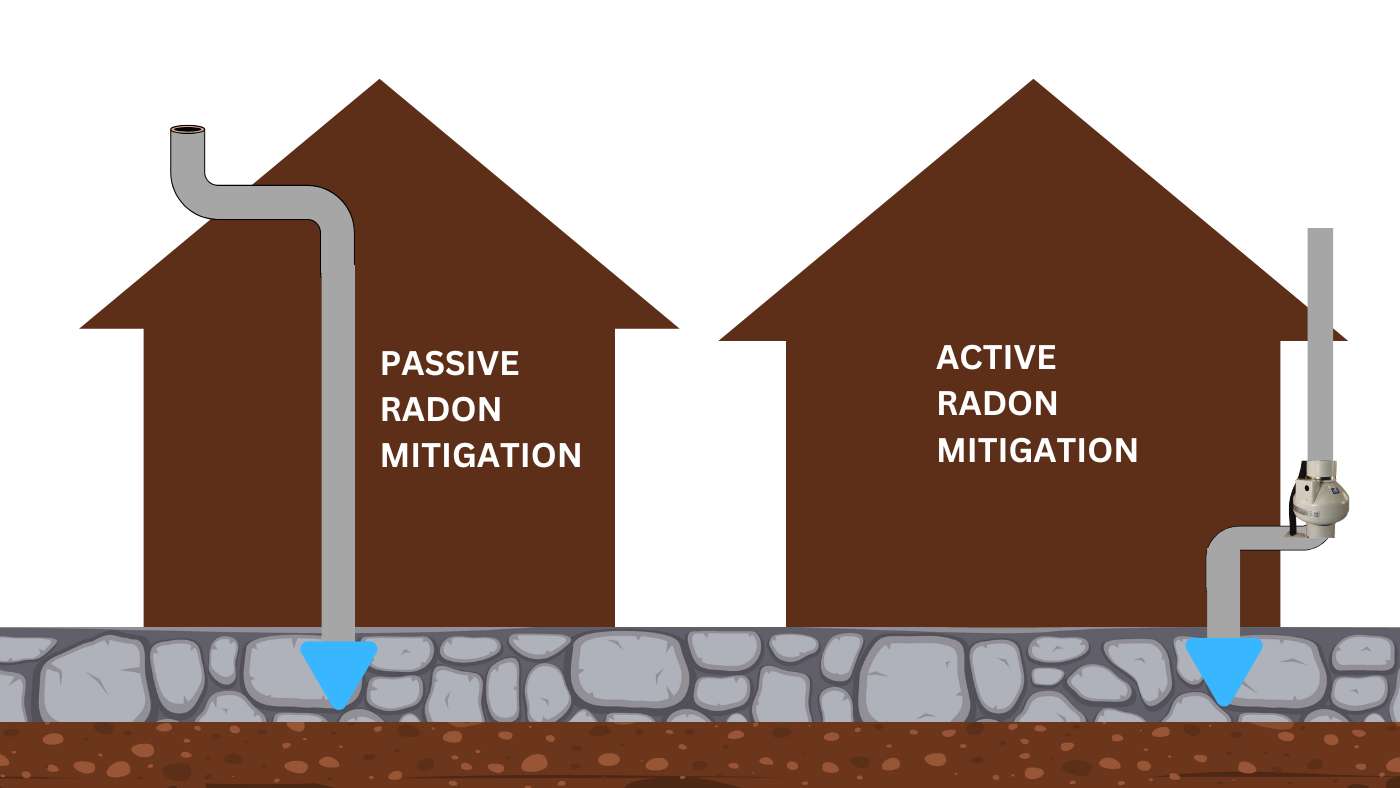
Passive Radon Mitigation Systems

Passive systems use natural ventilation to lower radon levels. They don't require fans or electricity to work and are easy to maintain. These systems are cheaper than active systems but may not be as effective in lowering high radon levels.
​
​Passive systems are often installed when constructing a new building, but they can also be added to existing ones.


Active Radon Mitigation Systems

Active systems use fans and other mechanical components to lower radon levels. They are more effective than passive systems when it comes to reducing high radon levels. There are different types of active systems, including:
​
  • Sub-slab suction: This method extracts radon from beneath the slab of the house and vents it outdoors.

  • Drain tile suction: A pipe enters the drain tile and releases the soil gasses to the outside. The sump baskets are protected by covers.
    ​

  • Sub-membrane: A plastic sheet covers exposed soil on the floor, extends up the wall, and is sealed in crawl spaces. A radon pipe enters the crawl area, removes soil gas from the crawl space, and vents it outside.

Factors to Consider When Choosing a Radon Mitigation System

When selecting a radon mitigation system, you need to consider the size and design of your home or building, your living temperature, and your budget. A larger house may require a stronger fan to reduce radon levels effectively.

​ Additional insulation may be needed in cooler regions to avoid moisture build-up. The kind of system you can afford will depend on your budget.


How to Reduce Radon Levels in Your Home

Before Mitigation

  • If a radon test shows that your home has high levels of radon gas, it's time to take action.
  • Find licensed radon mitigation professionals and request bids for their services.
  • A professional will do a walk-through of your home to determine the best way to build the mitigation system.
  • Ask the professional any questions you may have and request a proposal.
  • Review the proposals and select the professional you want to work with.

During Mitigation

  • The professional may conduct diagnostic testing to determine the correct fan size and installation methods.
  • The professional will seal cracks and openings in the basement to prevent radon from entering the home.
  • The radon mitigation system will be installed by the professional.

Post Mitigation

  • The professional will explain how the system works to you, so you know how to operate and maintain it.
  • Retest your home to ensure that the radon mitigation system has reduced radon levels to safe levels.

Choosing a Radon Mitigation Professional

Selecting a radon specialist with knowledge of radon mitigation system installation and up keep is crucial. Look for someone with a good reputation, experience, and glowing client testimonials.

The installation cost and system warranty should also be considered.

Conclusion

Installing a radon mitigation system can reduce the risk of lung cancer caused by radon gas. Consider the type of system that's right for your home or building and hire a professional to install it.

​ By taking these steps, you can protect yourself and your family from the dangers of radon gas.
0 Comments
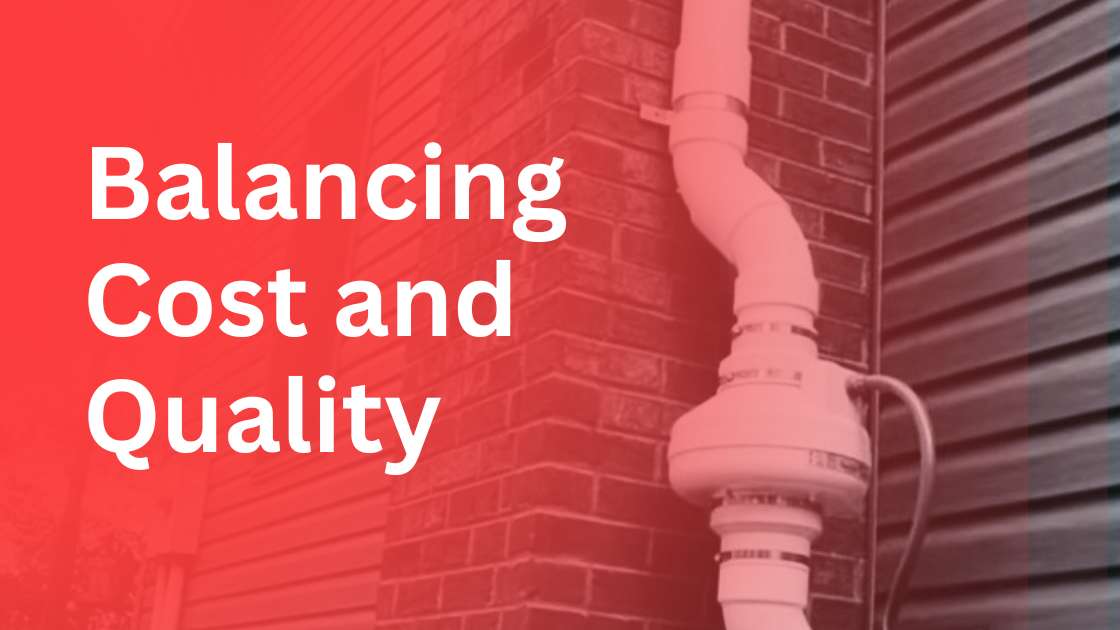
How to Choose the Right Radon Mitigation Company: Balancing Cost and Quality

4/21/2023

0 Comments

 
Picture
Radon is a sneaky, dangerous gas that can get into your home without you even knowing it. It's radioactive and can cause lung cancer if you're exposed to it for a long time. That's why it's essential to choose the right company to help keep your home safe. 
​

Here's how to pick a radon mitigation company.

Researching Radon Mitigation Companies

Before you choose a radon mitigation company, you need to do some research. Here's how to get started:

1. Ask for Recommendations

​Talk to your family, friends, and neighbors who've had their homes tested for radon. They might know of a good radon mitigation company that they can recommend.

2. Check Credentials and Licenses

Make sure the company you choose has the right credentials and licenses to do radon mitigation. You can check with your state's radon program or the National Radon Safety Board to see if the company is certified and has a good reputation.

3. Read Online Reviews

Check out what other people say about the company's services online. Look for reviews that mention radon mitigation to see how good they are at it.

Factors to Consider When Choosing a Radon Mitigation Company

​Here are some things to think about when choosing a radon mitigation company:

1. Experience and Expertise

Choose a company that has experience in radon mitigation. Ask how long they've been in business and how many radon mitigation systems they've installed. It's also important to make sure the company's employees are trained and certified in radon mitigation.

2. Equipment and Methods Used

Ask about the tools and procedures the company uses to reduce radon levels. The company should use high-quality tools and advanced procedures to get the best results.

3. Customer Support and Service

Pick a company that offers great customer service. They should be happy to answer any questions you have and be easy to reach if you need help.

Questions to Ask a Radon Mitigation Company

Picture
​When you're choosing a radon mitigation company, here are some questions you should ask:

1. Do they have a license and insurance?

​Make sure the company is licensed and insured to do radon mitigation.

2. What techniques are used for radon mitigation?

Ask the company what methods they use to reduce radon levels. They should use safe and effective methods.

3. What guarantees and warranties do they offer?

​Make sure the company offers a guarantee and warranty for their work. This will protect you if something goes wrong.

Choosing a Radon Mitigation Company: Cost vs. Quality
Picture
​When you're choosing a radon mitigation company, you need to balance cost and quality. You don't want to spend too much money, but you also don't want to choose a low-quality company that might not do a good job

Why Choosing Quality is Important

​Choosing a high-quality radon mitigation company might cost more, but it can save you money in the long run by preventing health problems and expensive repairs.

Signs of a Low-Quality Radon Mitigation Company

​A low-quality radon mitigation company might use outdated equipment or ineffective techniques. They might not be properly licensed or certified.

Benefits of Investing in a Quality Radon Mitigation Company

​Choosing a high-quality radon mitigation company can give you peace of mind knowing that your home is safe from radon. A good company will use the latest equipment and techniques to make sure your home is safe and will stand behind their work with a guarantee.

Conclusion

​Choosing the right radon mitigation company is essential for ensuring your home's or building's safety. When researching radon mitigation companies, ask for recommendations, check credentials and licenses, and read online reviews. When choosing a company, consider their experience and expertise, equipment and methods, and customer service and support. Ask the right questions and balance cost and quality to ensure you choose a high-quality radon mitigation company that will provide the best possible results. 
​
Remember, investing in a quality radon mitigation company can give you peace of mind and shield your and your loved one's health.
0 Comments

    Author

    Cincinnati Radon Mitigation is your go-to source for all things radon in Cincinnati. 

    Archives

    March 2026
    May 2023
    April 2023

    Categories

    All
    Radon Awareness
    Radon Mitigation

COMPANY INFORMATION

Picture
Cincinnati Radon Mitigation
2312 Ohio Ave #139 Cincinnati, OH 45219
513-496-3499

​BUSINESS HOURS
Call us any day of the week between 7am-11pm and we will take care of you.

QUICK LINKS

RADON MITIGATION
RADON TESTING
ABOUT US
​BLOG
PARTNER
​Velocity Radon
Licensed & Insured In Ohio
License #RC-360
​License #RS-580
SOCIAL MEDIA
Copyright All Rights Reserved © 2026 | TOS| Disclaimer | ​Privacy Policy
  • Home
  • Mitigation
  • Testing
    • What Is Radon?
    • Radon Symptoms
  • About
  • Contact
  • Blog
  • Gallery
​